
Study maps possible molecular links between bisphenol A and depression
Researchers used databases, simulations and experiments in mice to probe the targets and pathways through which the chemical BPA may contribute to depression.
 AI illustration
Researchers have combined computer modelling, gene expression data and tests in mice to look for the molecular routes by which bisphenol A (BPA) may be linked to depression.
The team describes BPA as a widespread environmental endocrine disruptor. According to the researchers, the chemical can cross the blood-brain barrier and exert neurotoxic effects that are closely associated with how depression develops. They add that the exact molecular targets and signalling pathways behind BPA-induced depression remain poorly understood.
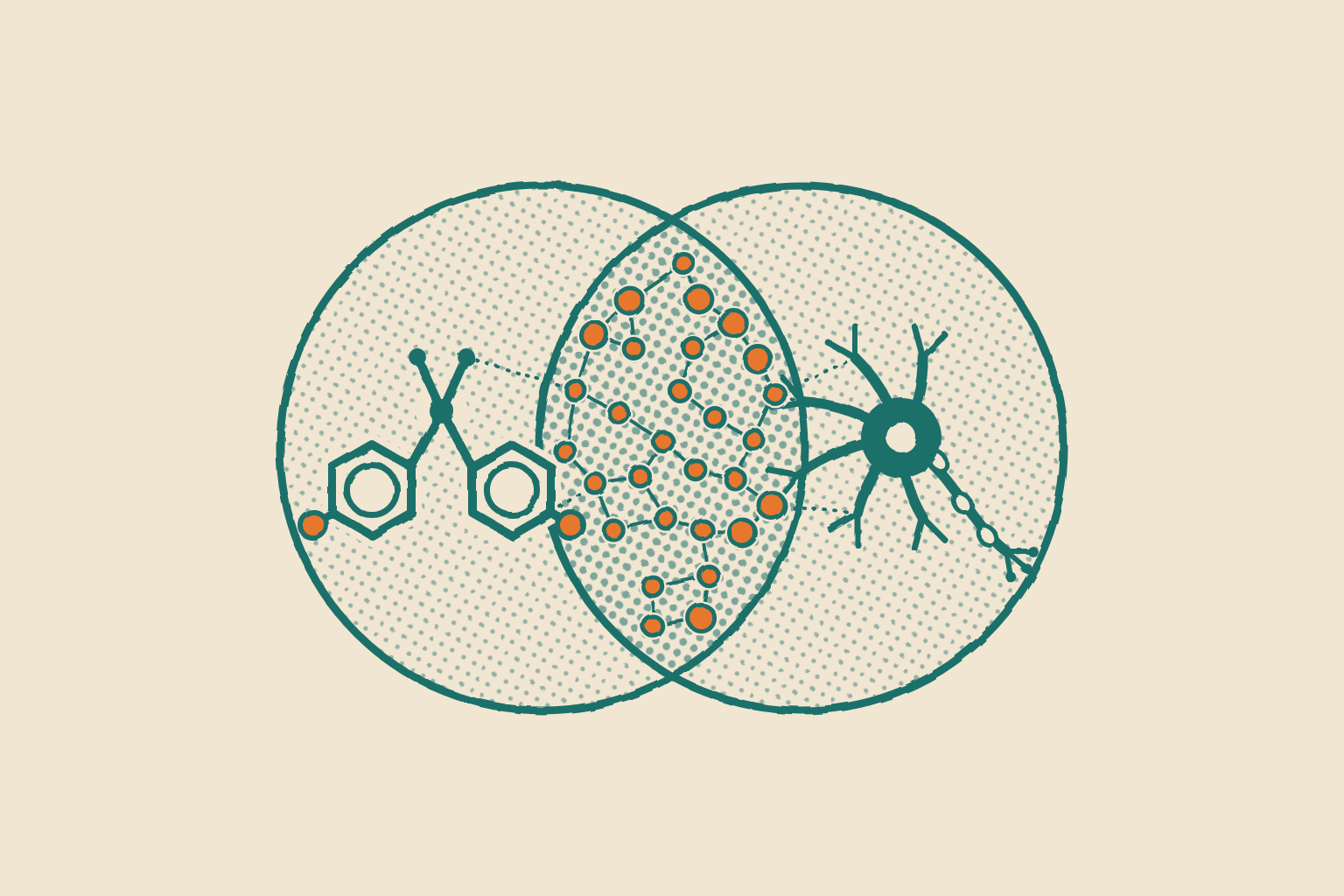
To address that gap, the study drew possible BPA targets from the ChEMBL, STITCH and SwissTargetPrediction databases, and targets associated with depression from GeneCards, OMIM and TTD. Targets shared by both sets were used to build a PPI network and were run through GO and KEGG enrichment analyses.
The researchers then used molecular docking and 100 ns molecular dynamics simulations to check how strongly and how stably BPA binds to the central hub targets. The work also drew on a GEO transcriptomic dataset and on in vivo validation experiments in mice.
In total, the team reports 29 overlapping targets between BPA and depression.