
Francis Halzen awarded 2026 Nobel physics prize for neutrino research
The Belgian physicist is honoured for work at the South Pole, where the IceCube observatory uses Antarctic ice to detect neutrinos arriving from space.
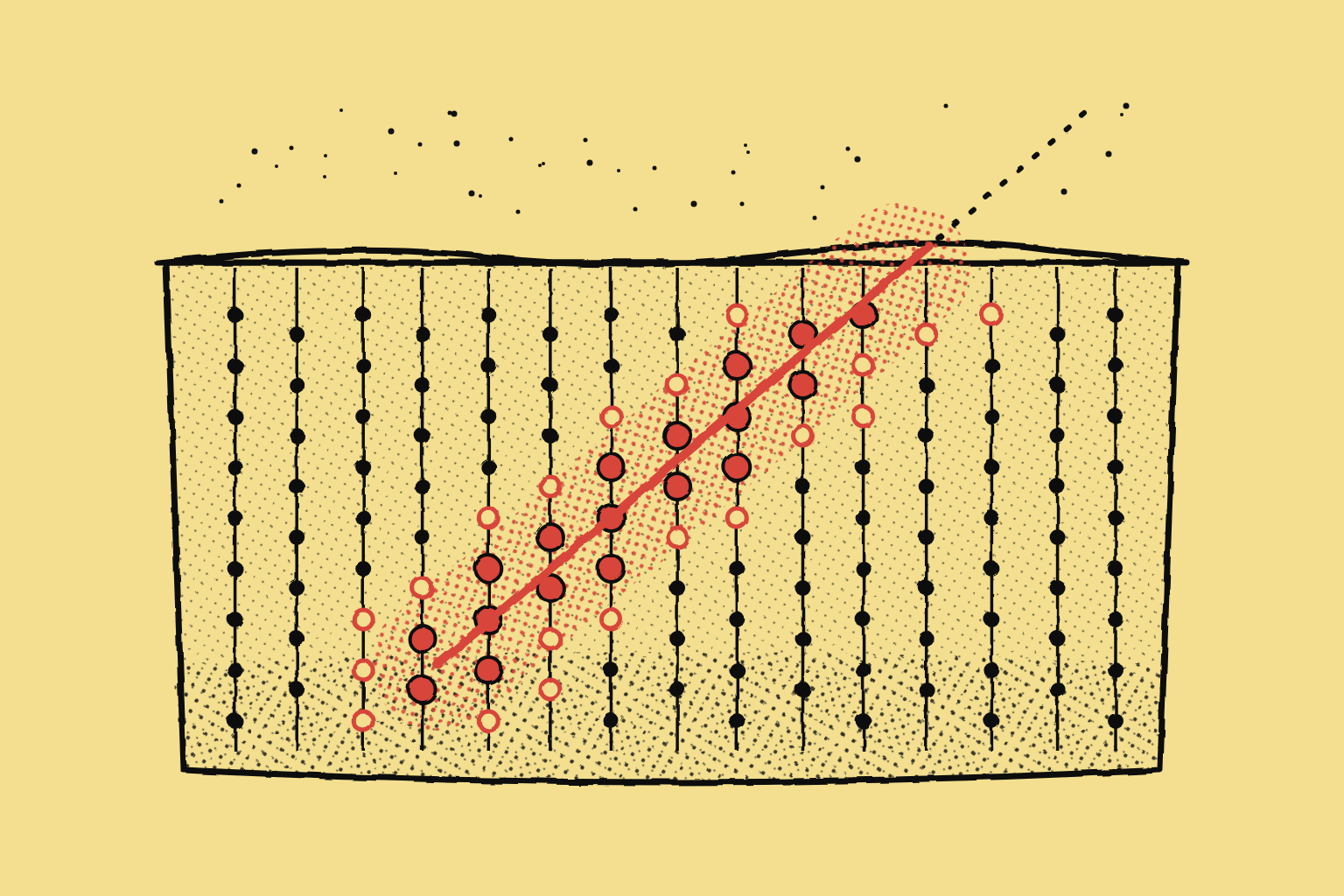 AI illustration
Belgian physicist Francis Halzen has won the 2026 Nobel Prize in Physics for his work on neutrinos, ghost-like subatomic particles that reach Earth from outer space.
The award recognises research at the South Pole, where the IceCube neutrino observatory turns a large volume of Antarctic ice into a detector for these particles. News organisations reported that the prize honours his contributions to IceCube and to the discovery of high-energy neutrinos, which several reports likened to ghosts bringing signals from space.
Halzen, a particle physicist, reportedly works at the University of Wisconsin-Madison and led the work on IceCube. According to reports, IceCube first detected high-energy neutrinos originating outside Earth in 2013, shortly after the instrument began operating.
According to reports, the detector was made from a cubic kilometre of Antarctic ice and is the largest neutrino detector in the world. Halzen is reportedly 82 years old.
His search for these particles from the distant universe reportedly earned him the prize, and the ice-based observatory has been reported as a kind of telescope for studying them.